Pit fire is a primitive firing technique that Ancient Greeks have used that we still find in modern days. No glazes are used on vessels to create outer finish of vessels but thin slip (water down, very thin clay) called terra sigillata is painted on the pot.
You first create a vessel on a wheel or hand build. Once the vessel is dry enough, you coat it with terra sigillata. I use terra sigillata on most of my vessels, which will give glossy finish when they are done. However, I don’t use it on some of my porcelain pots to create matte finish.
I would put 2 to 3 coats of terra sigillata followed by polishing with fine clothe or chamois with each coating. Then they are bisque fired to low setting in the kiln to get rid of impurities in the vessels and strengthen them,.
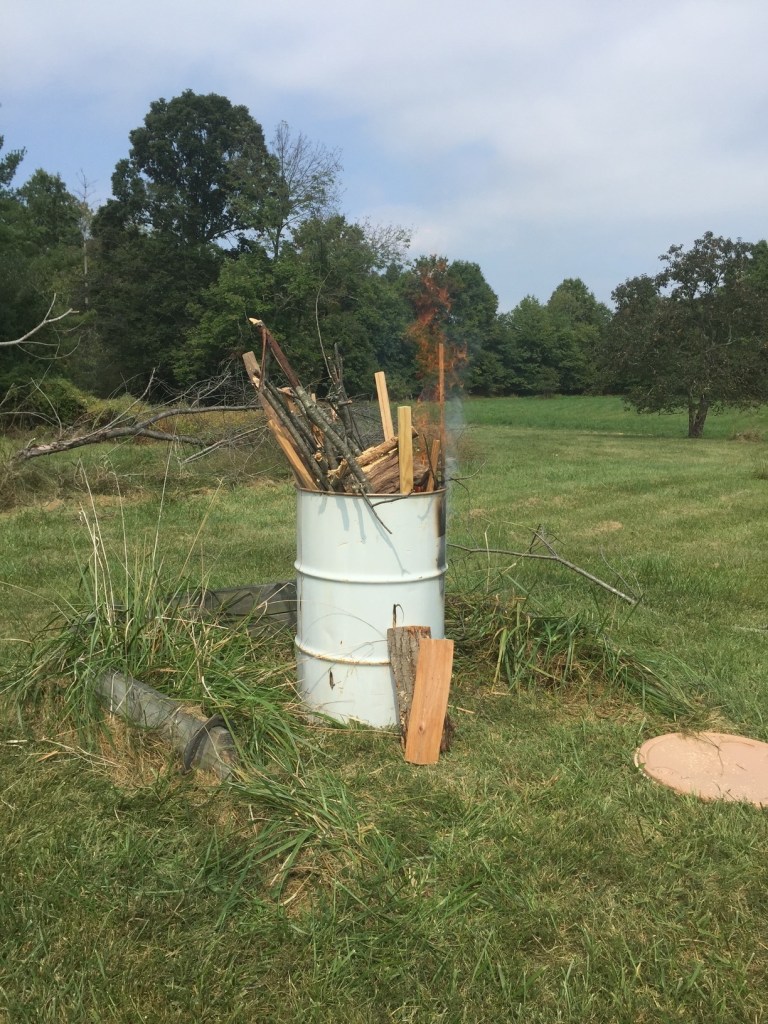
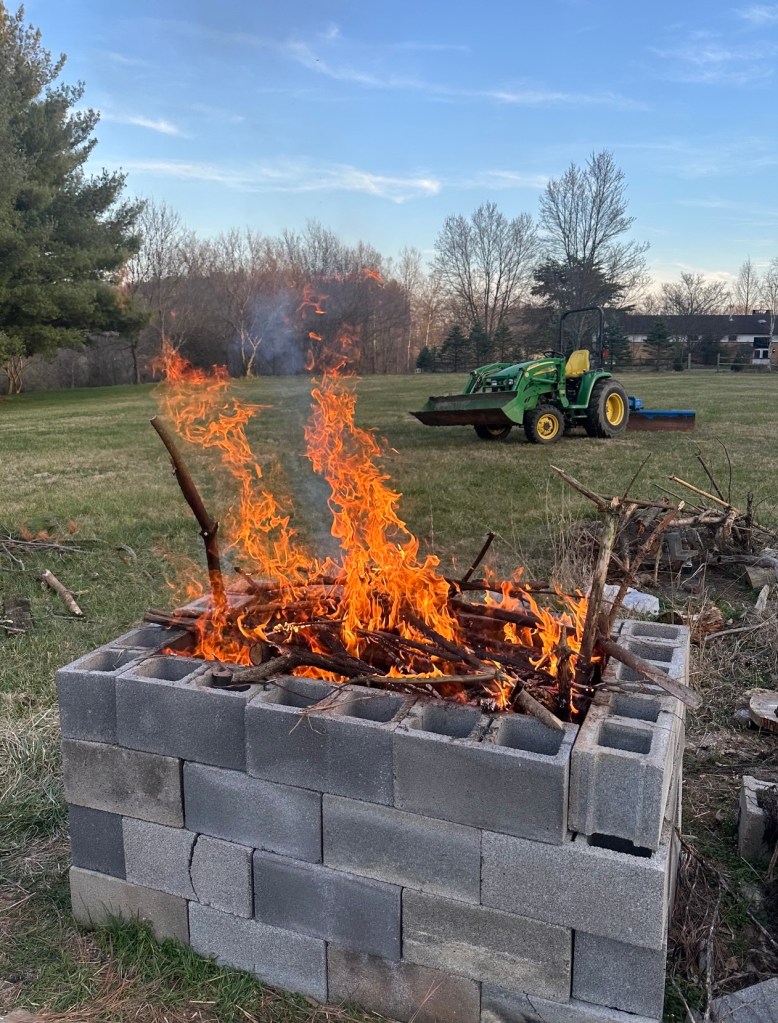
For final firing, I would create a pit. This could be a simple trash can, oil drum, a hole in the ground, a brick walled up above ground, or RAKU kiln. I use all types that are listed here, depending on the amount of vessels I’m firing or different finish I’m going for.
No matter which form I’m using, following layer is in all my firing;
- Saw dust
- Pine needles
- Sea salt and copper carbonate
- Vessels/pots
- Leaves and twigs
- Wood piling on very top
When all is set, I lit the fire and let it go. Once fire has cooled down enough, about 500 Fahrenheit, I cover the pit and let it rest. This last bit is not quite a necessity but for me, this is my break time and take a breather. Rather it was success or not, the deed is done.
After they have cooled sufficiently, I soak them in water and clean them. Let them dry over night , then polish them with wax.